Event
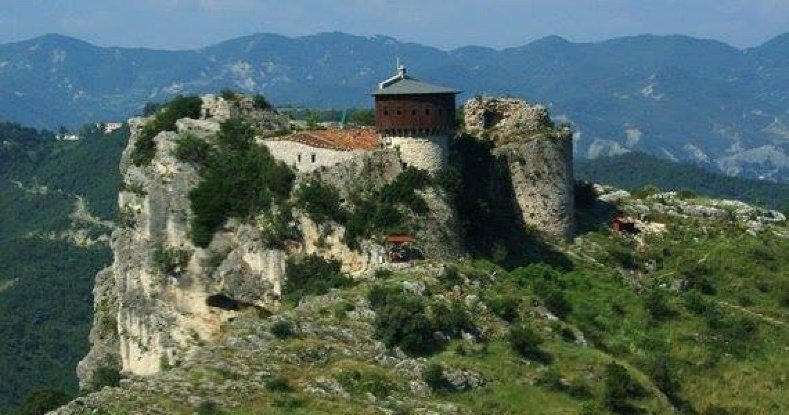
Arbëria was passing through the darkest storms of its history. The black banners of an empire that sought to destroy everything it touched, moved like shadows across the lands Arbëria. While Gjergj Kastrioti Skënderbeu fought battles in Mat and Dibra, a small fortress, perched atop a steep cliff in the valley of the Erzen River, stood unshaken — it was the Castle of Petrela.
There lived Mamica Kastrioti, Skënderbeu’s youngest sister. After losing both her husband and son in the wars against the Ottomans, she took command of the castle herself. It was a rare act of courage for the time, yet her determination and wisdom won the loyalty of all who lived under her watch. They called her with reverence: “The Lady of the Castle.”
One spring morning, a gloomy message reached Petrela: the Ottoman troops had crossed the Shkumbin River and were fast approaching the valley. Mamica understood at once. Before striking Kruja, they would try to break Petrela — the only strategic barrier hindering their advance toward Durrës and further on Kruja itself. In the nearby towers of Dorëz, men and women alike had taken up arms and set ambushes.
Under the light of a full moon, Mamica gathered her people in the courtyard of the castle: “Our leader, Gjergj Kastrioti, fights far from here. But on these ancient stones, blood has been shed so that the land of our ancestors would never be forsaken. We may be few, but we have each other. And above all — we have besa.”
The next day, the enemy appeared on the horizon, armed to the teeth. The siege began. By day, Mamica dispensed food, sent out messengers and supervised the defenses. By night, she patrolled the ramparts herself, whispering the old prayers her grandfather had once taught her.
A few days before the siege, she had sought strength by retracing the footsteps of Petrela’s history. She climbed toward the ruins of Persqopi, where the walls of an ancient fortress still stood as testimony to a forgotten glory. Then she descended through the narrow canyon leading to the Erzen River, touching the traces that forebears carved into the rocks of Pëllumbas Cave.
When the night sky flared red with a fire signal from Persqopi, help arrived. Warriors from Dorëz and the surrounding fortresses attacked the enemy’s southern flank. The Ottomans were taken by surprise and crushed, not knowing from where the blow had come.
Today, the Castle of Petrela still stands proudly above the valley of the Erzen river — a silent witness to an age both bloody and glorious. The name of Mamica Kastrioti lives on in legend, in the whispers of the stones and in memories that never fade. History may often forget women who raised the shield of the nation, but the walls of Petrela remember all too well: without Mamica, the castle would never have withstood.
There lived Mamica Kastrioti, Skënderbeu’s youngest sister. After losing both her husband and son in the wars against the Ottomans, she took command of the castle herself. It was a rare act of courage for the time, yet her determination and wisdom won the loyalty of all who lived under her watch. They called her with reverence: “The Lady of the Castle.”
One spring morning, a gloomy message reached Petrela: the Ottoman troops had crossed the Shkumbin River and were fast approaching the valley. Mamica understood at once. Before striking Kruja, they would try to break Petrela — the only strategic barrier hindering their advance toward Durrës and further on Kruja itself. In the nearby towers of Dorëz, men and women alike had taken up arms and set ambushes.
Under the light of a full moon, Mamica gathered her people in the courtyard of the castle: “Our leader, Gjergj Kastrioti, fights far from here. But on these ancient stones, blood has been shed so that the land of our ancestors would never be forsaken. We may be few, but we have each other. And above all — we have besa.”
The next day, the enemy appeared on the horizon, armed to the teeth. The siege began. By day, Mamica dispensed food, sent out messengers and supervised the defenses. By night, she patrolled the ramparts herself, whispering the old prayers her grandfather had once taught her.
A few days before the siege, she had sought strength by retracing the footsteps of Petrela’s history. She climbed toward the ruins of Persqopi, where the walls of an ancient fortress still stood as testimony to a forgotten glory. Then she descended through the narrow canyon leading to the Erzen River, touching the traces that forebears carved into the rocks of Pëllumbas Cave.
When the night sky flared red with a fire signal from Persqopi, help arrived. Warriors from Dorëz and the surrounding fortresses attacked the enemy’s southern flank. The Ottomans were taken by surprise and crushed, not knowing from where the blow had come.
Today, the Castle of Petrela still stands proudly above the valley of the Erzen river — a silent witness to an age both bloody and glorious. The name of Mamica Kastrioti lives on in legend, in the whispers of the stones and in memories that never fade. History may often forget women who raised the shield of the nation, but the walls of Petrela remember all too well: without Mamica, the castle would never have withstood.
There is no audio content available. Add an audio URL in the admin panel.
There is no video content available. Add a video URL in the admin panel.
Historical period:
14th–15th centuries CE
Historical overview of the period
The Castle of Petrela, located about 15 km southeast of Tirana, occupies a strategic position on a high hill overlooking the Erzen valley and the ancient trade routes that passed through it. Though its origins go back to antiquity, the castle took on its fortified medieval form during the 15th century CE. From the 13th–14th centuries onward, Petrela was part of the domains of the Topia family, the princes of Arbër.
Conditions that gave rise to the event
In the 15th century, during the wars between Gjergj Kastrioti Skënderbeu and the Ottoman armies, Petrela became a key strategic stronghold — both as part of the defensive network and as a lookout post. The castle also served as the residence of Mamica Kastrioti, Skënderbeu’s sister, who had married into the Topia family. During the course of these wars, she remained in Petrela, transforming it into a center of resistance.
Message
The history of Petrela Castle bears witness to the unity and courage of a people who refused to surrender, even when all odds seemed to be against them. It stands as a symbol of memory and resistance — a reminder that those who fought, though often unnamed, upheld the foundations of their nation with besa, sacrifice and courage.
Meaning in Today’s Context
In today’s context, the history of Petrelë Castle reminds us of the importance of unity, resilience, and trust as the main pillars for facing challenges, whether national, community, or personal. It teaches us that the value of community and cooperation forms the foundation of survival and progress, while faith in one another keeps hope and resistance alive in times of crisis. Historical memory and cultural heritage are precious assets that empower us in the face of today’s challenges.
Bibliography
- Barleti, Marin. Historia e Skënderbeut [The History of Skanderbeg]. Trans. Stefan Prifti. Tiranë, 2004.
- Ceka, Neritan; Muçaj, Skënder; Përzhita, Luan. Tirana 100 (1920–2020): Arkeologjia. Tiranë, 2020.
- Karaiskaj, Gjerak. 5000 vjet fortifikime [5000 years of fortifications]. Tiranë, 2016.