Event
That day, the wind struck fiercely against the shores of the ancient Adriatic. Ships rocked in the harbor—some heavy with the spoils of war on their return, others ready to carry new warriors toward distant coasts.
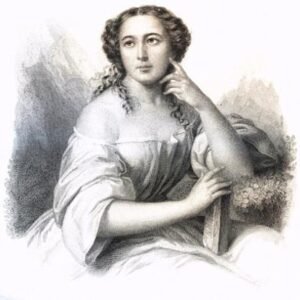
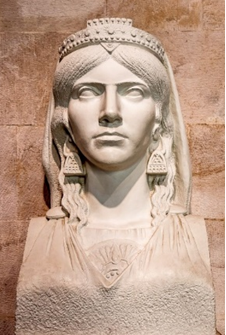
The king had died, and the council of elders decided: Teuta, his widow, would rule the state! Teuta, with trembling fingers, touched the cold crown resting on her head. It was Agron’s crown — heavy, it seemed, a burden entrusted to her. She glanced toward little Pinnes, laughing and playing with the wind. It was a quiet moment, strange and still — like the calm before a storm. Then, the doors opened, and the messenger entered.
— Your Majesty, a delegation from Rome requests an audience. They say they bring words of peace…
Peace. How meaningless that word sounded.
Teuta’s fleet was both her sword and her armor. She had empowered her sea captains to strike at anyone daring to challenge Illyrian supremacy. Some called them pirates. Teuta called them defenders of the kingdom. Yet power always carried a price.
Though the Roman envoys arrived bearing white flags, their language was harsh, their faces drawn tight with arrogance. One of them, Lucius Coruncanius, dared to interrupt her speech. He threatened her, reminding her that she had offended Rome — and would suffer the consequences.
Teuta said nothing. Silence, in her court, was a judgment heavier than any threat.
The ambassadors left the fortress convinced they had left behind a frightened woman. Yet near the courtyard by the harbor, something happened. Only one of them ever returned to Rome. Some said the sea found his body cast upon the rocks, his gaze still fixed toward the fortress. Others claimed the body was never found — as if the sea itself had swallowed him, an ancient vengeance for the insult dealt to a queen who bowed to no one.
Rome would remember that silence.
The Roman Senate declared war: in 229 BCE, Roman fleets landed on Illyrian shores with a force those lands had never before witnessed. It was the beginning of the First Illyrian–Roman War. Teuta fought with all her might, striving to keep her kingdom and allies united against the storm rising from the West. But this time, the waves of history were greater than those of the sea.
Surrounded and without support, Teuta was forced to surrender. The Illyrians lost their territories and their freedom — but not her memory, nor her name. Teuta is the woman who defied an empire — the queen who entered history, remembered still after centuries beyond count.
The king had died, and the council of elders decided: Teuta, his widow, would rule the state! Teuta, with trembling fingers, touched the cold crown resting on her head. It was Agron’s crown — heavy, it seemed, a burden entrusted to her. She glanced toward little Pinnes, laughing and playing with the wind. It was a quiet moment, strange and still — like the calm before a storm. Then, the doors opened, and the messenger entered.
— Your Majesty, a delegation from Rome requests an audience. They say they bring words of peace…
Peace. How meaningless that word sounded.
Teuta’s fleet was both her sword and her armor. She had empowered her sea captains to strike at anyone daring to challenge Illyrian supremacy. Some called them pirates. Teuta called them defenders of the kingdom. Yet power always carried a price.
Though the Roman envoys arrived bearing white flags, their language was harsh, their faces drawn tight with arrogance. One of them, Lucius Coruncanius, dared to interrupt her speech. He threatened her, reminding her that she had offended Rome — and would suffer the consequences.
Teuta said nothing. Silence, in her court, was a judgment heavier than any threat.
The ambassadors left the fortress convinced they had left behind a frightened woman. Yet near the courtyard by the harbor, something happened. Only one of them ever returned to Rome. Some said the sea found his body cast upon the rocks, his gaze still fixed toward the fortress. Others claimed the body was never found — as if the sea itself had swallowed him, an ancient vengeance for the insult dealt to a queen who bowed to no one.
Rome would remember that silence.
The Roman Senate declared war: in 229 BCE, Roman fleets landed on Illyrian shores with a force those lands had never before witnessed. It was the beginning of the First Illyrian–Roman War. Teuta fought with all her might, striving to keep her kingdom and allies united against the storm rising from the West. But this time, the waves of history were greater than those of the sea.
Surrounded and without support, Teuta was forced to surrender. The Illyrians lost their territories and their freedom — but not her memory, nor her name. Teuta is the woman who defied an empire — the queen who entered history, remembered still after centuries beyond count.
There is no audio content available. Add an audio URL in the admin panel.
There is no video content available. Add a video URL in the admin panel.
Historical period:
3rd century BCE
Historical overview of the period
Teuta was queen of the Illyrians of the Ardiaean tribe, widow of King Agron, and ruled for several years at the end of the 3rd century BCE (230–227). After Agron’s death, she assumed the leadership of the Illyrian state as regent for Agron’s young son, Pinnes, from his marriage to Triteuta (Polyb. Historiai, II).
During her reign, Teuta openly challenged the growing power of the Roman Republic, supporting maritime expeditions and acts of piracy that led to the first military clash between Illyria and Rome — the First Illyrian–Roman War. Although ultimately forced to surrender and accept harsh terms imposed by Rome, historical memory records her as a powerful female figure and a warrior unyielding to her enemies.
Conditions that gave rise to the event
Teuta, queen of the Illyrians, represents one of the most powerful historical figures to have become mythologized by popular memory, especially along the coastal regions of the Adriatic. Her representations cross the boundary between history and legend, transforming a real historical character into a symbol of female strength and resistance against foreign domination. In Albanian oral tradition and collective memory, particularly in the regions of Shkodra, Rrjolli, Karaburun, and Himara, Teuta’s figure has been invested with mythical dimensions: a protective Ora, a punisher of the unjust and an enduring inspiration for resistance.
Message
This story recounts the courage of a woman who, faced with a power as vast as Rome, chose not to bow down, notwithstanding the possibility of defeat. She defended the sovereignty and honor of her people with determination, using silence as her weapon and gesture as her political stance. Teuta lost the battle with Rome but gained her enduring place in historical memory as a symbol of courage and dignity.
Meaning in Today’s Context
The figure of Queen Teuta, as a sovereign woman and equal to men in war and diplomacy, remains an inspiring example, sanctified in the memory of the people as a historical figure who widely transcends the limits of the time in which she lived. In many regions, she appears in legends as the protector of the country, a link between historical past and mythical female strength, in the line of figures such as Rozafa, E Bukura e Dheut, or Nora of Kelmendi. This historical figure, transformed into myth, serves as a cultural memory of resistance against invasion and subjugation, especially through her feminine and national dimensions. She serves as a shared reminder that strengthens identity and as a source of empowerment for women and girls, as full participants in building a common future.
Bibliography
- Ceka, Neritan, Ilirët [The Illyrians] (Tiranë: Toena, 2012).
- Wilkes, J. John, The Illyrians, Oxford, 1992.
- Domi, Mahir, Motivet heroike dhe mitike në folklorin shqiptar [Heroic and mythic motifs in Albanian folklore] (Tiranë: SHBLSH, 1987).
- Instituti i Kulturës Popullore, Archive “Figura mitike në bregdetin shqiptar” [Mythical figures on the Albanian coast], zones of Shkodra, Himara and Vlora, interviews collected 1976–1982.
- Oral recordings on “Shpella e Teutës”, “Hedhja e Teutës” and “Mallkimi i Mbretëreshës” [“The Cave of Teuta”, “The Leap of Teuta”, “The Queen’s Curse] in coastal regions.
- Folk tales from inhabitants of Karaburun and Rrjolli, collected by local researchers and referenced in the fieldwork reports of the University of Shkodra and QSA (oral archive, not fully published).