Event
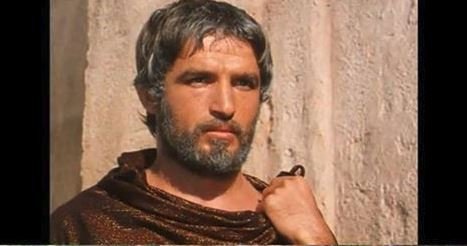
At the end of August 2006, on the steep and beautiful shores of Himara, a special traveler arrived. He was not a myth from antiquity, but a well-known actor of Albanian origin, whom the whole world identified with Ulysses, the famous Hollywood Odysseus. The actor was called Bekim Fehmiu.
When he arrived in Himara, the entrance to the historic cave appeared before his eyes, which the locals called the Cave where Odysseus faced the Cyclops. Bekim stopped. It was like a return. It seemed to him as if he were entering again the scene of that film that made him famous. This time, not in front of cameras, but in front of the historical site of mythology itself.
"Here it is, this should have been the scene of the encounter with Polyphemus. This is where I should have played my role," he said to his Albanian companion.
The Cave of Spileza is not just an ordinary limestone cave. It is a temple of memory. Inside it, the traces of stone tools, early ceramics, and of the ancient human who had found shelter were still alive. But above all, there was the refuge of a myth.
Bekim felt as if he was reuniting with the hero he had embodied. He entered the role as he touched the cold walls of the cave and remembered the long journeys, through seas and storms, until he found the shelter where he had once faced the one-eyed monster. He watched this wonder in amazement, experiencing the cave as a living and eternal stage.
"This is a great historical monument, which must be preserved and honored," he said.
Those who were with him say that he stayed there for about half an hour, observing and remembering. He felt pain that the entrance of the cave did not have the grandeur it deserved. Random constructions of the modern era disrupted its meaning and magic, as it should only have been surrounded by nature and able to view the sea as history described it. And yet, at that time he was hopeful that one day, this place would be honored as it deserves.
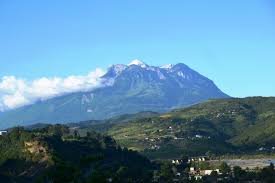
When he came out of there, Bekim turned his eyes toward the sea. He saw the waves of the Ionian, deep, an endless blue, an extraordinary nature.
"These are the places where Hollywood should choose for its films. But here, before cinema, history itself has spoken."
The Cave of Spileza, also known as the Cave of Odysseus, is not only a place where the myth of Homer finds shelter, but also a place where the memory of the well-known Hollywood Albanian actor, Bekim Fehmiu, became a myth as well. And this cave must be preserved doubly, not only for the history of Odysseus, but also for the memory of Bekim Fehmiu, the famous Albanian actor.
Thus, heritage does not fade, when it becomes an eternal journey through legend, art, and the human spirit.
When he arrived in Himara, the entrance to the historic cave appeared before his eyes, which the locals called the Cave where Odysseus faced the Cyclops. Bekim stopped. It was like a return. It seemed to him as if he were entering again the scene of that film that made him famous. This time, not in front of cameras, but in front of the historical site of mythology itself.
"Here it is, this should have been the scene of the encounter with Polyphemus. This is where I should have played my role," he said to his Albanian companion.
The Cave of Spileza is not just an ordinary limestone cave. It is a temple of memory. Inside it, the traces of stone tools, early ceramics, and of the ancient human who had found shelter were still alive. But above all, there was the refuge of a myth.
Bekim felt as if he was reuniting with the hero he had embodied. He entered the role as he touched the cold walls of the cave and remembered the long journeys, through seas and storms, until he found the shelter where he had once faced the one-eyed monster. He watched this wonder in amazement, experiencing the cave as a living and eternal stage.
"This is a great historical monument, which must be preserved and honored," he said.
Those who were with him say that he stayed there for about half an hour, observing and remembering. He felt pain that the entrance of the cave did not have the grandeur it deserved. Random constructions of the modern era disrupted its meaning and magic, as it should only have been surrounded by nature and able to view the sea as history described it. And yet, at that time he was hopeful that one day, this place would be honored as it deserves.
When he came out of there, Bekim turned his eyes toward the sea. He saw the waves of the Ionian, deep, an endless blue, an extraordinary nature.
"These are the places where Hollywood should choose for its films. But here, before cinema, history itself has spoken."
The Cave of Spileza, also known as the Cave of Odysseus, is not only a place where the myth of Homer finds shelter, but also a place where the memory of the well-known Hollywood Albanian actor, Bekim Fehmiu, became a myth as well. And this cave must be preserved doubly, not only for the history of Odysseus, but also for the memory of Bekim Fehmiu, the famous Albanian actor.
Thus, heritage does not fade, when it becomes an eternal journey through legend, art, and the human spirit.
There is no audio content available. Add an audio URL in the admin panel.
There is no video content available. Add a video URL in the admin panel.
Historical period:
From antiquity to our days
Historical overview of the period
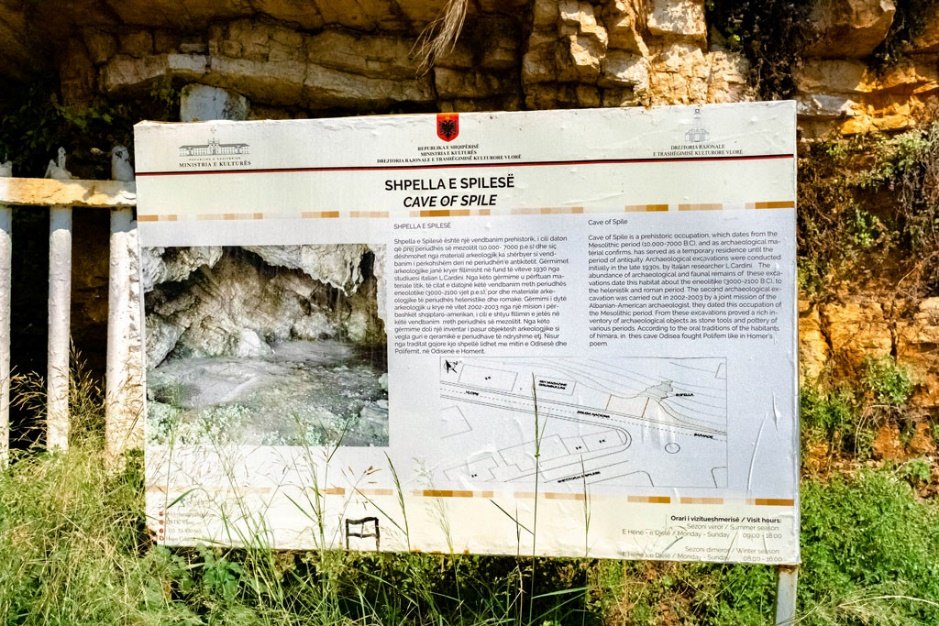
The Cave of Odysseus is located in Himara and is a cultural monument protected by the state. The sign at the entrance of the cave states: The Cave of Spileza is a prehistoric settlement dating from the Mesolithic period (10,000 to 7,000 BCE) and, as evidenced by archaeological material, served as a temporary settlement until antiquity. Archaeological excavations were first carried out at the end of the 1930s by the Italian researcher L. Cardini. From these excavations, materials were obtained that date this settlement to the Eneolithic period, 3000-2100 BCE, as well as archaeological materials from the Hellenistic and Roman periods.
The second excavation, in 2002-2003, by a joint Albanian-American mission, pushed back the beginning of life in this settlement to around the Mesolithic period. From these excavations emerged a rich inventory of archaeological objects, such as stone and ceramic tools from different periods. Oral tradition links this cave with the myth of Odysseus and Polyphemus in Homer’s Odyssey...
Conditions that gave rise to the event
At the end of August 2006, during a visit to Vlorë and then to Himara, the world-famous actor Bekim Fehmiu also visited the cave where, according to mythology, Odysseus encountered the Cyclops. The cave, located near the Spilesë neighborhood in the city of Himara, is known by locals and beyond by the same name: “Cave of Spilesë.”
The historian from Vlorë, Prof. Dr. Bardhosh Gaçe, who welcomed and accompanied the renowned actor on that unforgettable visit, shares details about it. “Fehmiu had dreamed of visiting the cave where, according to mythology, Odysseus faced the Cyclops, in the scene captured in the film ‘Ulysses,’ in which he played the protagonist. As we approached the cave, Fehmiu recalled the moments when he interpreted his famous role. The settings of this cave evoked memories of a distant time connected to the film. According to him, this cave should have been the real scene where the encounter with the Cyclops took place,” Gaçe recounts, describing those unforgettable moments with the world-famous Albanian actor Bekim Fehmiu.
According to Gaçe, they stayed in the cave for about 30 minutes, while the actor expressed regret that at the entrance, a café had been built. “This is an important monument that must be preserved and promoted because it brings well-known moments from the history of mythology,” Gaçe recalls Fehmiu saying during that visit to the Cave of Spilesë, believed to be the site of the scene where Odysseus confronted the Cyclops. The historian adds that Fehmiu, visiting Vlorë for the first time, was amazed by everything he saw. According to Gaçe, he had shared that to play “Ulysses,” he had read extensively from Greek mythology. “He had read many books by Greek authors and admired mythology. He even expressed regret that the originality of past mythological creativity was treated differently by current authors.”
Through extensive reading, Fehmiu had immersed himself in the role and, as he recounted, experienced it with all the strength of his spirit. That is why he wanted a keepsake from the real historical site where the scene of Odysseus and the Cyclops had taken place. “We took photographs, and he kept them as something precious. Moreover, when we visited beaches and other sites along the Himara coast, such as Jalë, Fehmiu said these are wonderful places where many films could be shot. Here are the places where Hollywood could choose for its films,” the historian from Vlorë said, as cited by Albanian media.
Message
Just as Odysseus, after many journeys, returned to his roots, Bekim Fehmiu – a world-famous Albanian artist – sought to find a spiritual connection with the place where myth becomes reality. This is a powerful message about the importance of returning to our identity and heritage, no matter how far we may live. The cave is not merely a rock, a natural hollow, but a place where Homeric myth, the earliest traces of humanity, and the memory of modern art coexist.
Meaning in Today’s Context
The Cave of Spilesë is evidence that this place is ancient and rooted in universal narratives. We are not only part of someone else’s mythology, but bearers of a history that touches all of humanity.
Fehmiu’s visit reminds us that art is not detached from life – on the contrary, it gives life to history and turns myth into a tangible reality. Today, Albanian and foreign artists can see in this cave an inspiration for films, dramas, and performances.
At a time when Himara is growing as a tourist destination, the Cave of Odysseus is an example of how a place can be valued not only for its beautiful beach, but also for the history, myth, and art that permeate it. Every visitor who enters the cave can experience the same spiritual journey as Fehmiu – a return to the essence of humanity, to the great question: who are we and where do we come from?
Bibliography
- L. Cardini (1939–1943) – Italian archaeologist who carried out the first excavations in the Cave of Spileza, where materials from the Eneolithic period and antiquity were discovered.
- National Institute of Cultural Heritage – where the cave is mentioned as a Cultural Monument protected by the Albanian state. Lista-e-Pasurive-Kulturore_Monumentet_-Qarku-Vlore.pdf
- Article by Prof. Dr. Bardhosh Gaçe in local media, recounting Bekim Fehmiu’s visit in August 2006 to Vlorë and Himara. Bekim Fehmiu, the unknown visit to the cave where Odysseus encountered the Cyclops – Shqiptarja.com
- Film reference: “Ulysses” (1968), directed by Franco Rossi, in which Bekim Fehmiu plays the role of Odysseus.