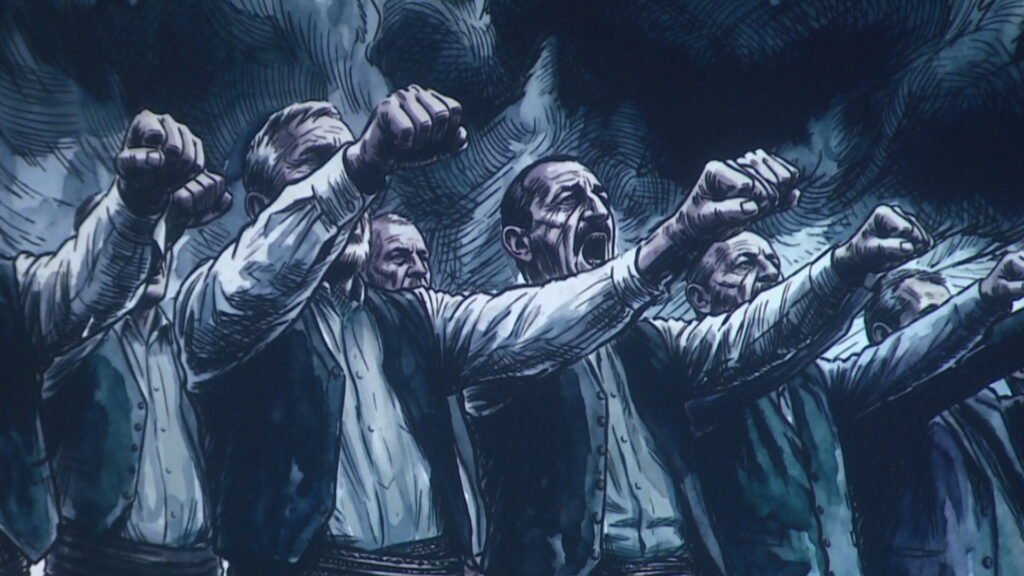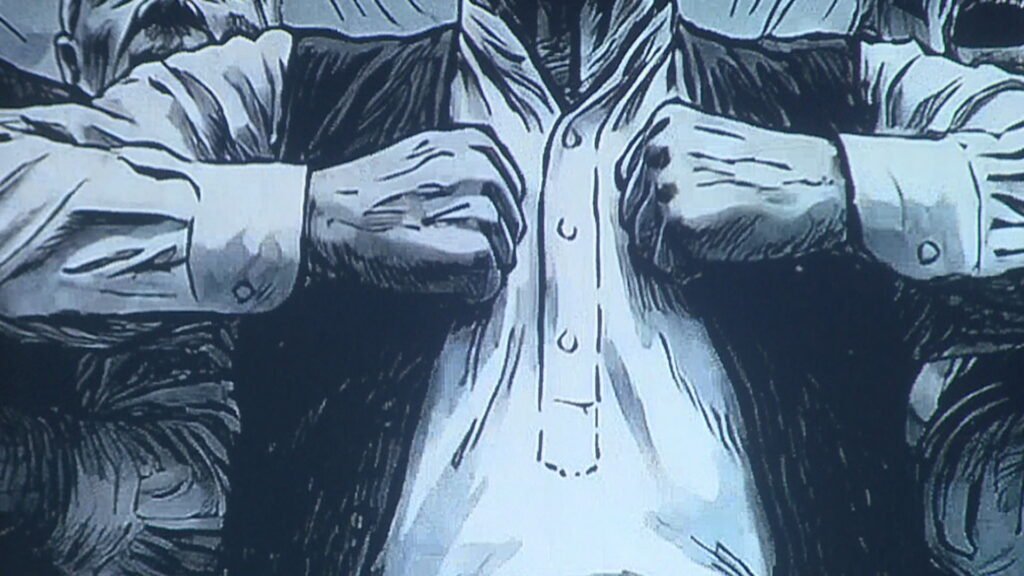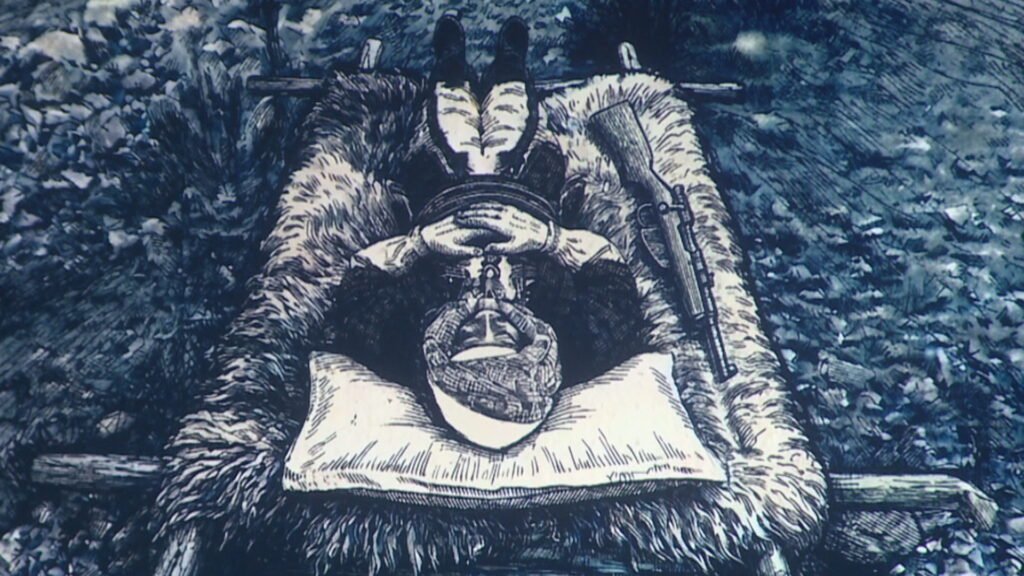
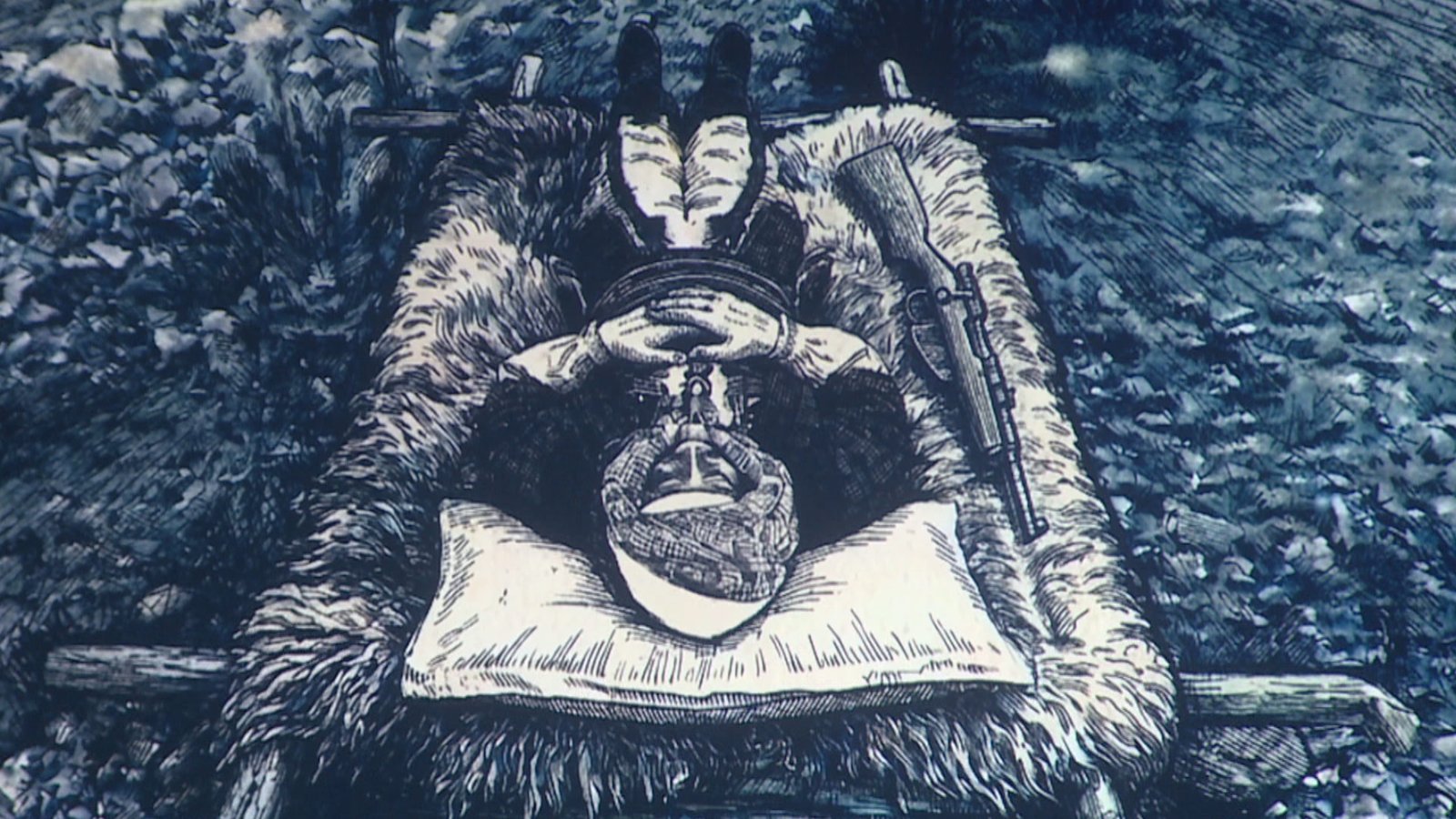
One of the most distinctive elements of Albania's intangible cultural heritage, the Men's Lament (Gjama e Burrave), has been brought to life in an animated film by director Mauro Zaçe, titled "Gjëmon", which premiered at Europe House on 9 July 2026.
Inspired by the research developed through the "Heritage is Our Brand" project, funded by the
European Union and implemented by DMO Albania and EU Policy Hub, the film does not seek to
document the ritual in a conventional way. Instead, it conveys the emotion, grief, and solidarity that
have accompanied this centuries-old tradition of the Albanian Highlands.
Through poetic storytelling and expressionist animation, director Mauro Zaçe combines historical
research, narrative, music, and contemporary audiovisual techniques to reinterpret this unique
cultural practice.
Speaking at the film's premiere, historian Andi Pinari, one of the authors of the "Heritage is Our
Brand" study, emphasized the importance of ensuring that the elements of Albania's identity and
cultural heritage are not forgotten.
"Today, through the latest technologies and digital platforms, we can share these stories with a
much wider audience. It is valuable for all of us to understand how our tradition of
solidarity—expressed in different forms from the north to the south of Albania—can continue to live
on as part of our cultural heritage," Pinari said.
The film is designed not simply as a documentary record of the ritual, but as an artistic
interpretation that captures its emotional depth and its enduring message of collective memory and
solidarity.
For Eva Kushova, Project Manager of "Heritage is Our Brand", the objective of these artistic works
goes beyond documentation. They are also intended to promote cultural tourism by transforming
Albania's heritage and identity into compelling stories.
"The idea behind this project is for people to hear our unique stories and connect them with the
places where they originated. We want to transform our heritage into storytelling and into cultural
and tourism products," she said.
The project aims to preserve and promote Albania's intangible cultural heritage, making it more
accessible and engaging for younger generations as well as wider audiences.