Event
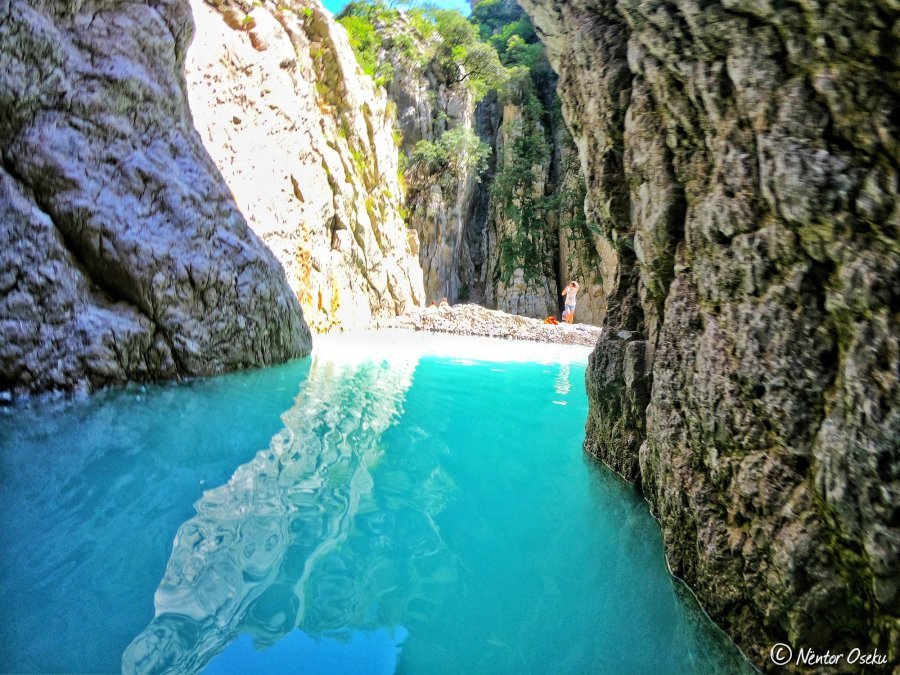
When you enter the heart of the Holta Canyon, where the river’s waters flow quietly through the carved rocks, echoing with a soft murmur, the locals say that it is not only nature that speaks — but also the voice of a girl who has never found rest. They call it “the maiden’s voice”, and, they say, the legend is as old as the river itself.
Long ago, in a village above the canyon, there lived a girl of rare beauty, with hair dark as the night and eyes that mirrored the mountains’ light. She was raised with love, but also confined within the strict rules of customs keeping the ways of old. Her heart belonged to a young shepherd — poor, but noble in spirit — who lived across the river and played his flute (fyell) every evening to greet her from afar.
Their love was a secret known to everyone except one: her father. He had arranged her marriage to an old bey from Elbasan, a powerful and wealthy man seeking a young wife to revive his name.
When the news of the forced marriage spread, the shepherd left the village under the cover of night, leaving no trace behind. In despair, the maiden asked to visit the river once more so as “to wash her eyes and speak to nature, which had witnessed her love.”
Dressed in her bridal garments — a white vest embroidered with golden threads and a shawl over her hair — she descended to the edge of the canyon. There, at a high point where the rock hangs suspended above the depths, she raised her arms to the sky and released a cry that, according to legend, has never faded. Then, she leapt. The river embraced her body — and fell silent.
Those who went searching for her found no trace, neither body nor dress, but a white shawl caught in the branches of a willow growing by the water.
From that day, the canyon was called “the canyon of mourning” and the high cliff from which she jumped became known as the Maiden’s Rock. The old women say that from time to time, when the northern wind blows and the sun begins to sink, one can hear a faint lament carried through the waters, a whisper not of the living.
Today, visitors walking through the Holta Canyon are moved not only by its natural beauty but also by the story that lives on — in the stones, the river, and in the voices of locals who continue to tell it with quiet reverence and remembrance.
Long ago, in a village above the canyon, there lived a girl of rare beauty, with hair dark as the night and eyes that mirrored the mountains’ light. She was raised with love, but also confined within the strict rules of customs keeping the ways of old. Her heart belonged to a young shepherd — poor, but noble in spirit — who lived across the river and played his flute (fyell) every evening to greet her from afar.
Their love was a secret known to everyone except one: her father. He had arranged her marriage to an old bey from Elbasan, a powerful and wealthy man seeking a young wife to revive his name.
When the news of the forced marriage spread, the shepherd left the village under the cover of night, leaving no trace behind. In despair, the maiden asked to visit the river once more so as “to wash her eyes and speak to nature, which had witnessed her love.”
Dressed in her bridal garments — a white vest embroidered with golden threads and a shawl over her hair — she descended to the edge of the canyon. There, at a high point where the rock hangs suspended above the depths, she raised her arms to the sky and released a cry that, according to legend, has never faded. Then, she leapt. The river embraced her body — and fell silent.
Those who went searching for her found no trace, neither body nor dress, but a white shawl caught in the branches of a willow growing by the water.
From that day, the canyon was called “the canyon of mourning” and the high cliff from which she jumped became known as the Maiden’s Rock. The old women say that from time to time, when the northern wind blows and the sun begins to sink, one can hear a faint lament carried through the waters, a whisper not of the living.
Today, visitors walking through the Holta Canyon are moved not only by its natural beauty but also by the story that lives on — in the stones, the river, and in the voices of locals who continue to tell it with quiet reverence and remembrance.
There is no audio content available. Add an audio URL in the admin panel.
There is no video content available. Add a video URL in the admin panel.
Historical period:
18th–19th centuries
Historical overview of the period
The 19th century marked a period of profound upheavals and transformations in Albanian society under the Ottoman Empire. The tension between the patriarchal order and the rising individual desire for personal freedom was reflected in all aspects of life — economic, social and cultural. The region of Gramsh, part of the highlands of Central Albania, preserved strong patriarchal structures in which religion, custom and honor defined the core of social existence. Arranged marriages were the norm and a woman’s identity was inseparable from the honor of her family. Within this context, the legend of the Maiden of Holta embodies a rare stance of defiance against imposed tradition, a silent act of rebellion expressed through personal tragedy.
Conditions that gave rise to the event
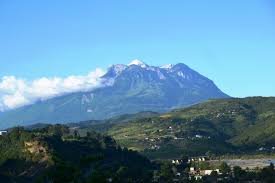
In a society where marriages were imposed without a woman’s consent and freedom to love was seen as a violation of moral order, tragedies like that of the Maiden of Holta arose as rare but powerful acts of resistance. The Holta Canyon in Gramsh — a natural marvel formed by the erosion brought about by the Holta River descending from the mountains of Poroçan — became both the setting and the symbol of the struggle between pure emotions and social constraints. With its steep cliffs, dense shrubs and tranquil silence that seems to speak the language of nature, the canyon is not just a backdrop landscape, but rather an active participant in the tale: a stage where human feeling collide with the weight of tradition. Confronted with a forced marriage to an old bey — a figure of power, wealth and patriarchal authority — the young woman resolved to surrender not to submission, but transformation. Her leaping turned the canyon into both a tomb and an altar, her voice merging with that of the murmuring river. This painful conflict between love and duty, between the free spirit and a society that equated freedom with sin, was mirrored by nature itself, which wild and untamed reflected her turmoil and sheltered her final act of silent resistance.
Message
Today, the legend of the Maiden of Holta represents not only a cherished piece of intangible spiritual heritage, but also an archetypal figure of freedom and women’s rights. Visited by travelers and researchers alike, the site continues to inspire not only by virtue of its natural beauty but also through the living memories it nurtures. The legend stands as a cultural reminder and a starting point for dialogue on human dignity, gender equality and the power of oral heritage in shaping collective consciousness. It is part of the local identity of Gramsh and a treasure for future generations seeking to understand the emotional depths and enduring spirit of their people.
Meaning in Today’s Context
The meaning today is the freedom to decide your own fate, without leaving it in the hands of others. Even today, arranged marriages still exist, and parents still marry off their children without asking them, often contributing to unhealthy family situations. Nowadays, the decision to unite lives and create a family must be made entirely by free will.
Bibliography
- Çabej, Eqrem. Studime për Folklorin [Studies on Folklore]. Tiranë: Toena, 2002.
- Domi, Mahir. Gjuha dhe Letërsia Popullore [Language and Folk Literature]. Tiranë: Universiteti i Tiranës, 1984.
- Institute of Popular Culture. Trashëgimia gojore shqiptare [The Albanian oral heritage]. Tiranë: 1996.
- Maliqi, Ardian. “Kanionet e Shqipërisë dhe trashëgimia e padukshme” [“The canyons of Albania and the invisible heritage”]. Kultura Popullore, No. 4, 2018.