Event
It is said that one spring day, a wedding caravan was traveling through the canyon along a route known as much for its beauty as for its peril. At its heart rode the bride: dressed in white laces, adorned with silver jewelry that shimmered in the afternoon light and crowned with a wreath of fresh roses. She smiled shyly, marveling at the grandeur of the canyon she was gazing for the first time. But the journey was suddenly interrupted.
A horseman arrived bearing an order from the local pasha: the bride was to be brought to him immediately. He had heard of her beauty and, like many a woman prior, had decided to make her his own.
Her husband could do nothing, nor could her parents. Silence fell over the caravan, now transformed from a procession of joy into a cortege of sorrow. The bride asked for one final request. She stepped away, walking alone toward a ledge of the canyon where the cliff faced the sky. At the edge, she raised her eyes upward, pressed her forehead to the earth, and whispered: “If the earth will receive me, I shall never know dishonor. If it does not, then I am lost forever.” Then she leapt.
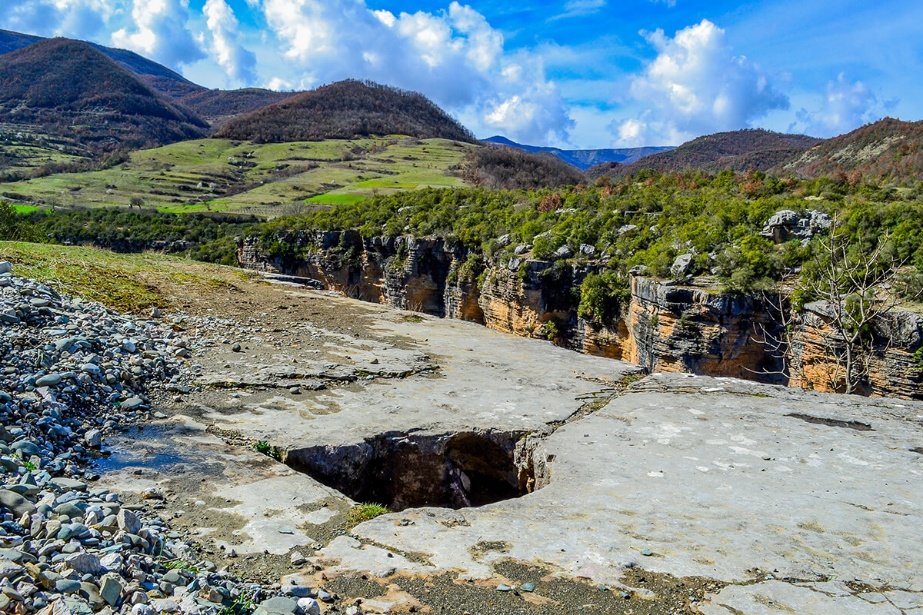
In that moment, the earth did not break — it softened. At the place where she fell, a round hollow opened in the rock, a perfect void at the heart of the cliff, from which water began to drip, like an eye that weeps eternally. The water has never dried, not even in summer. And upon that spot, no grass has ever grown. Locals say that there dwells the spirit of the bride who rejected power, who feared no tyrant, and who chose honor and love over life itself.
If you stop and look toward that place, you may hear a soft whisper: “Do not touch me with sin.” To this day, no villager of Skrapar passing by will sing or laugh. They walk in silence, in reverence for a life lost and a soul that could not be broken.
A horseman arrived bearing an order from the local pasha: the bride was to be brought to him immediately. He had heard of her beauty and, like many a woman prior, had decided to make her his own.
Her husband could do nothing, nor could her parents. Silence fell over the caravan, now transformed from a procession of joy into a cortege of sorrow. The bride asked for one final request. She stepped away, walking alone toward a ledge of the canyon where the cliff faced the sky. At the edge, she raised her eyes upward, pressed her forehead to the earth, and whispered: “If the earth will receive me, I shall never know dishonor. If it does not, then I am lost forever.” Then she leapt.
In that moment, the earth did not break — it softened. At the place where she fell, a round hollow opened in the rock, a perfect void at the heart of the cliff, from which water began to drip, like an eye that weeps eternally. The water has never dried, not even in summer. And upon that spot, no grass has ever grown. Locals say that there dwells the spirit of the bride who rejected power, who feared no tyrant, and who chose honor and love over life itself.
If you stop and look toward that place, you may hear a soft whisper: “Do not touch me with sin.” To this day, no villager of Skrapar passing by will sing or laugh. They walk in silence, in reverence for a life lost and a soul that could not be broken.
There is no audio content available. Add an audio URL in the admin panel.
There is no video content available. Add a video URL in the admin panel.
Historical period:
18th–19th centuries, with earlier roots in the oral-mythical traditions of the Skrapar region and in the archetype of the “martyr bride” found across Balkan folklore.
Historical overview of the period
During the Ottoman era, when the mountainous region of Skrapar remained on the margins of the imperial’s power reach, local authority was often exercised by bejlerë and agallarë, feudal lords who wielded unchecked control over the rural population. Society was sharply divided: the peasants upholding honor and word, while the administrative class embodying arbitrariness and abuse. In this context, the Osum Canyon was not just a passageway but indeed a sanctuary of resistance and survival. Among its stones, winds and hidden waters stories were born, defying silence and whispering that honor is stronger than fear and that the Albanian woman, even when powerless, could still be invincible.
Conditions that gave rise to the event
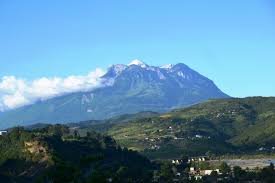
The canyon’s dramatic geography, combined with the deeply rooted tradition of protecting a woman’s honor, created the perfect ground for a legend of this kind. With its vertical cliffs and the deep, winding flow of the Osum River, the canyon seems carved to contain both tragedy and transcendence. In a world where a woman risked everything rather than lose her honor, the story of the bride who “saved her soul by sacrificing her body” became a silent cult of morality and courage. The hollow that formed in the rock after her leap is not seen as a mere natural phenomenon, but as a divine sign — that nature itself accepted her sacrifice and transformed it into eternity.
Message
This legend is a silent manifesto of female courage, of sacrifice for an ideal and of the refusal of violence. In a time when many women’s voices could not be heard, this bride spoke through a sublime act of freedom: self-sacrifice for dignity. The Bride’s Hollow is not merely a geological formation — it is a spiritual monument. Today, as violence against women persists in different forms, this tale interweaves tradition and social conscience. It teaches that moral integrity and courage of women know no era and that dignity transcends time. Thus, the Bride’s Hollow is not just a tourist destination, but a place of silent pilgrimage.
Meaning in Today’s Context
In the modern era, when violence against women continues in various forms, this legend becomes a crossroads between tradition and social conscience. It teaches us that a woman’s moral value and courage know no era, and that the land that honors her dignity is a land worthy of being called sacred. This is why "Vrima e Nuses" is not merely a tourist destination, but a site of silent pilgrimage for all women and men who fear the power of injustice. The Vrima is located near a viewpoint in the canyon, where travelers pause to hear the legend of the bride who preserved her honor through a dramatic act of self-sacrifice.
Bibliography
- Haxhihasani, Sadik. Toponimia dhe gojëdhënat e Skraparit [Toponymy and oral traditions of Skrapar]. Tirana: Akademia e Shkencave, 1984.
- Lamaj, Thanas. Folklori i Beratit dhe Skraparit [The folklore of Berat and Skrapar]. Tirana: Instituti i Kulturës Popullore, 1992.
- Elsie, Robert. Albanian Folktales and Legends. London: I.B. Tauris, 2001.
- Archives of the Institute of Cultural Heritage, Interviews collected in Skrapar (1973–1985).