The intangible or spiritual heritage of Albanians is very rich, ranging from language, national symbols, folklore, costumes, legends, ballads, dances, to rites and customs. However, while we take pride in this treasure, very little has been done in this regard by government policies or the legal framework to protect it and pass it on to younger generations.
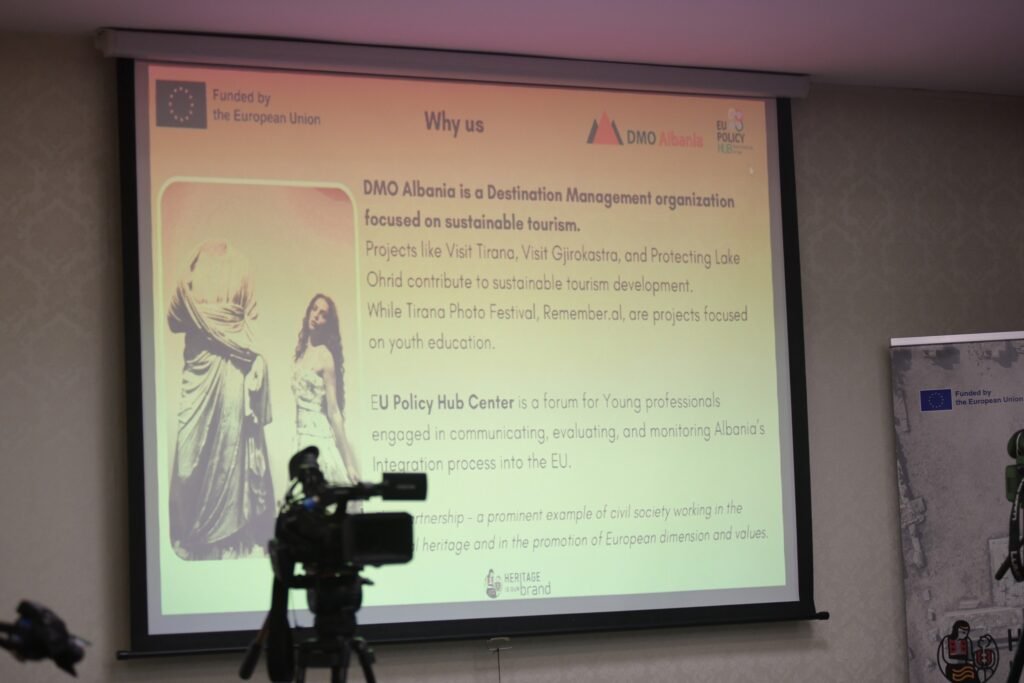
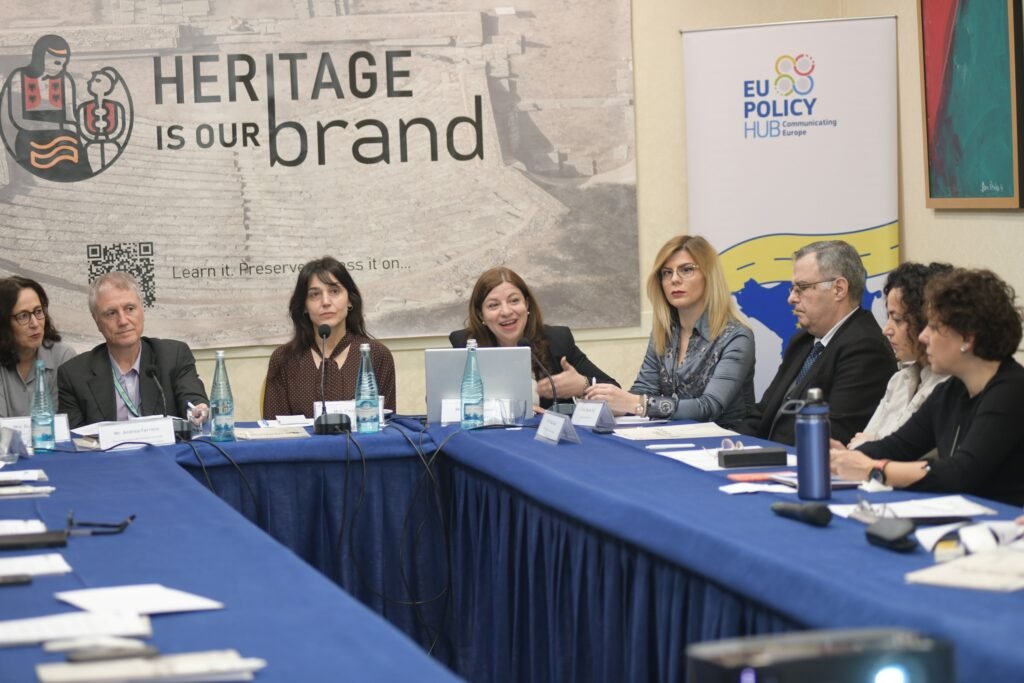
This concern was highlighted during the opening roundtable of the project “Heritage is our Brand,” implemented by DMO Albania in collaboration with EUPolicyHub, and funded by the European Union.
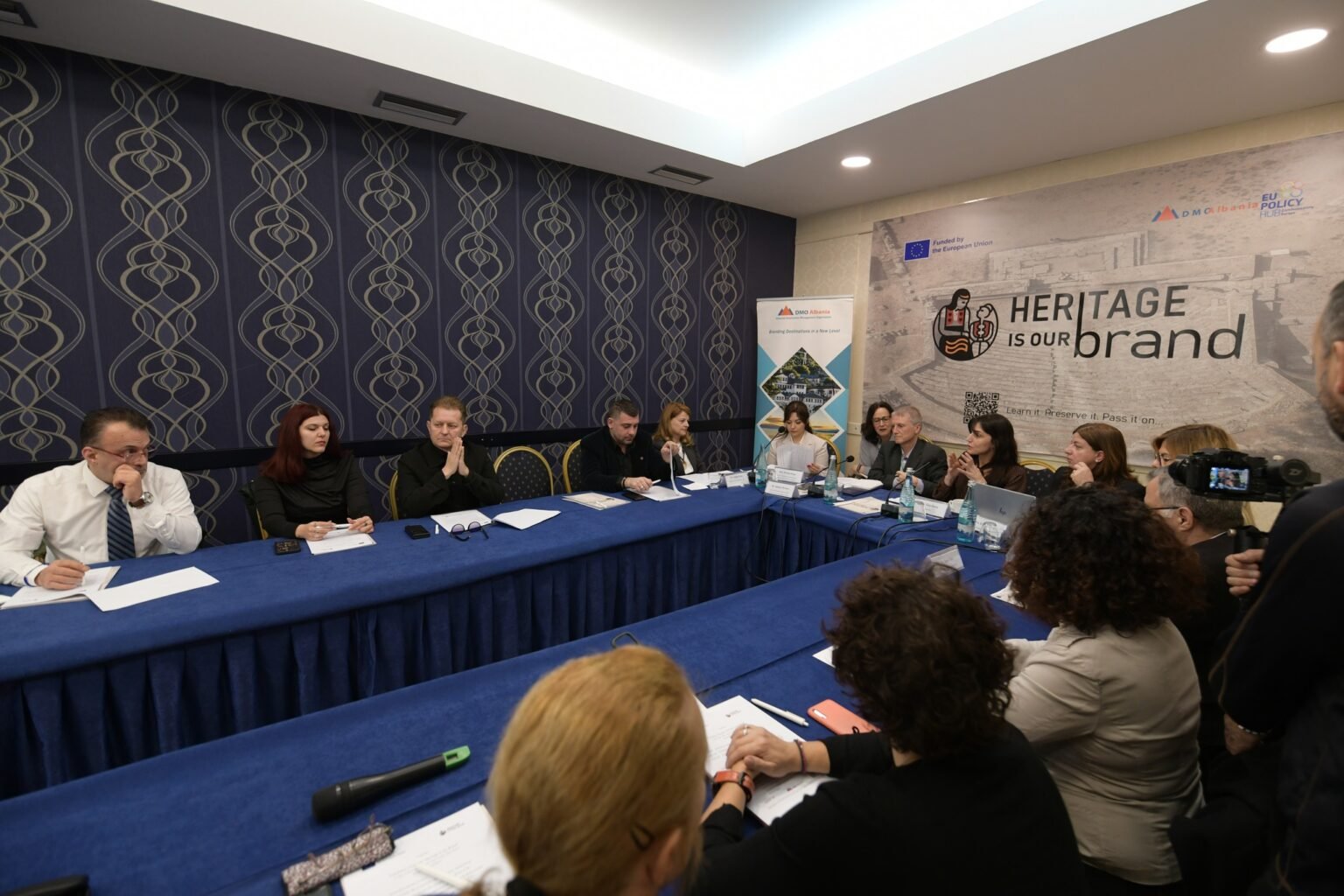
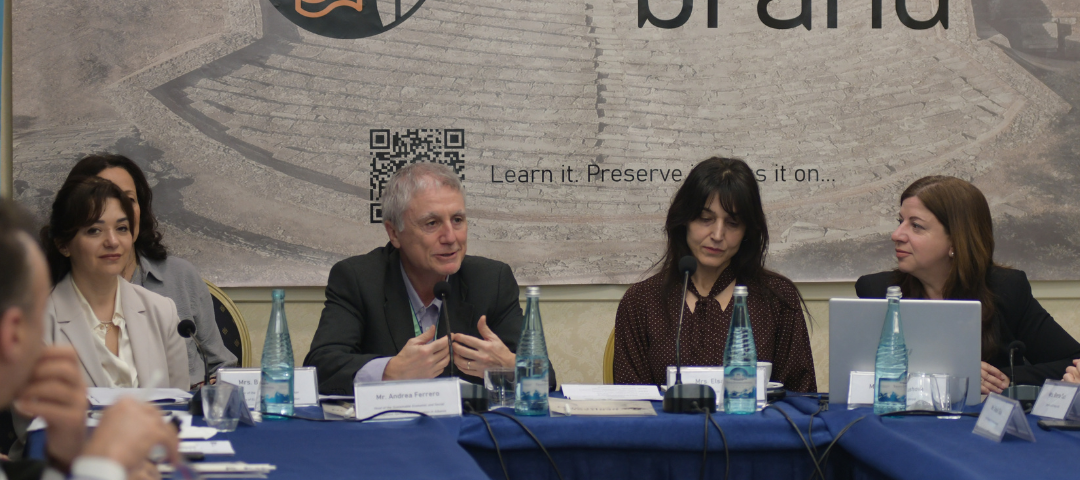
The meeting was attended by the Head of the Sustainable Economic and Social Development Section of the EU Delegation in Tirana, Andrea Ferrero; the Vice President of the Academy of Sciences, Vasil Tole; the Director of Cultural Heritage Policies at the Ministry of Economy, Culture, and Innovation, Ms. Benida Kraja; and heads of museums. In Tirana, experts from various fields of culture, anthropologists, musicologists, artists, and representatives from art associations were present. After sharing many opinions on this topic, all parties at the roundtable agreed to establish cooperation bridges not only for the successful implementation of the project but also to influence and advocate for addressing issues with decision-makers.
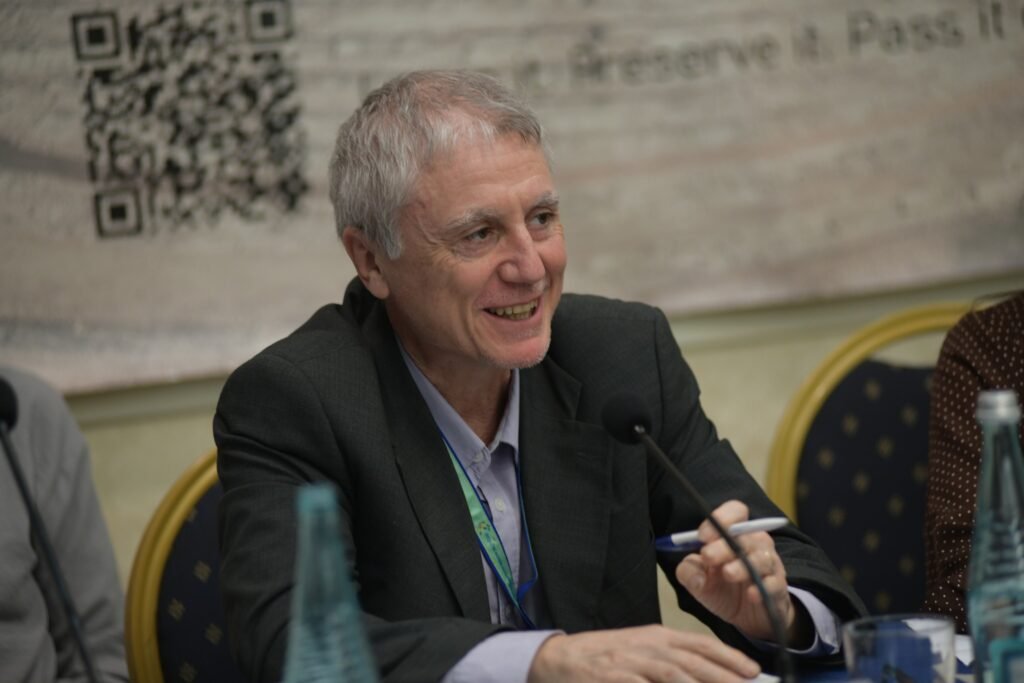
In his speech, Mr. Andrea Ferrero, Head of the Sustainable Economic and Social Development Section of the EU Delegation in Tirana, emphasized the importance of heritage and the values of national identity in European integration. Under the motto "united in diversity," he highlighted that Albania will soon join the 27-member bloc.
“It is very important that you integrate your national values and identity into the EU—your customs, traditions, and history—because Europe is like that: united in diversity. It is a bloc of 27 countries, and we hope to soon become 29. Spiritual heritage is an important part, and it will be of interest to see how children and young people will think about it and what it means to be Albanian and what constitutes Albanian culture.,” emphasized Mr. Andrea Ferrero.
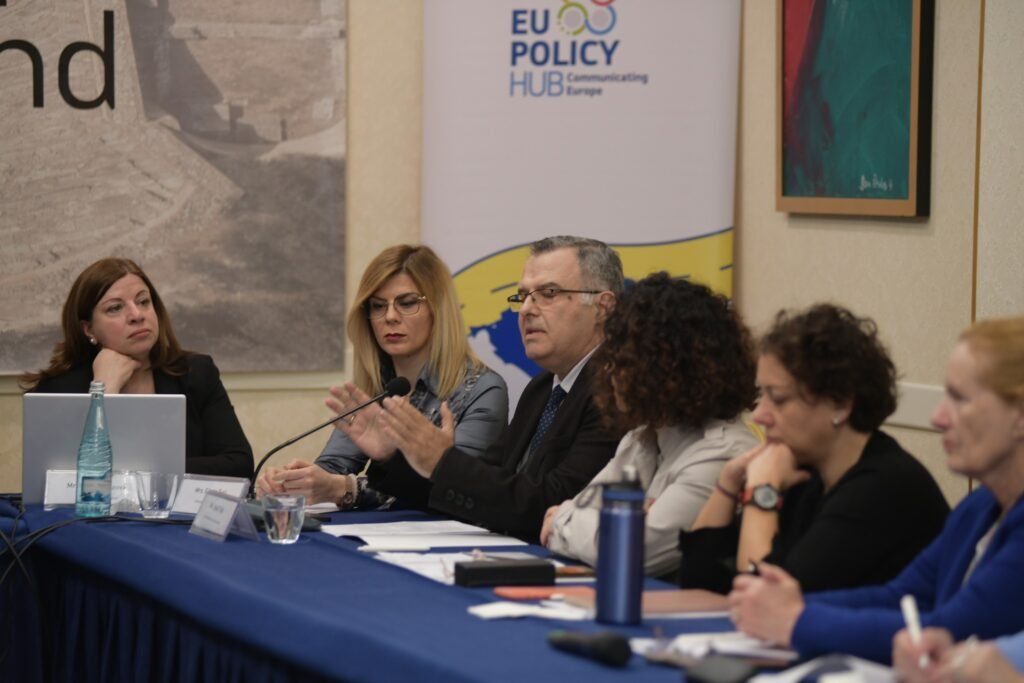
The Vice President of the Academy of Sciences, Vasil Tole, highlighted that the key to transmitting cultural heritage to young people is through education. He proposed that cultural heritage be included in school curricula and listed several issues that require prompt solutions, such as: "the drafting and clear definition of the principles of strategy and state policies in the field of intangible cultural heritage; the identification of spiritual cultural heritage through a special marking, such as an emblem; the redefinition of the meaning of spiritual cultural heritage and its constituent values."
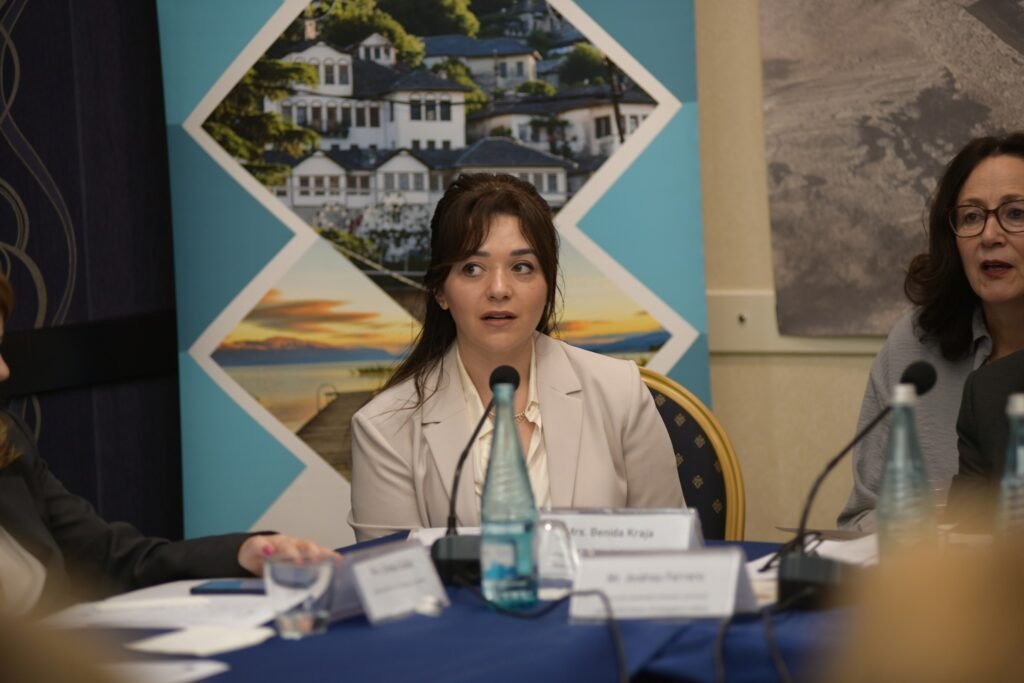
The Director of Cultural Heritage Policies at the Ministry of Economy, Culture, and Innovation, Ms. Benida Kraja, expressed the Ministry’s willingness to be part of this project and requested the involvement of institutions, universities, and artists. She promised mutual cooperation during the project’s implementation to share the survey results that will be conducted with young people and all the artistic products that will be created.
Arts educator Ardian Isufi, in his speech, emphasized that the key for this project to be successful is for young people to be seen as partners. He urged policymakers to have a vision and keep pace with the times by aligning technology with information.
The acting Director of the National History Museum, Melsi Labi, was more specific, stating that education in cultural heritage should begin from the very beginning, in primary school. He urged the EU to consider and integrate educational policies with accurate curricula.
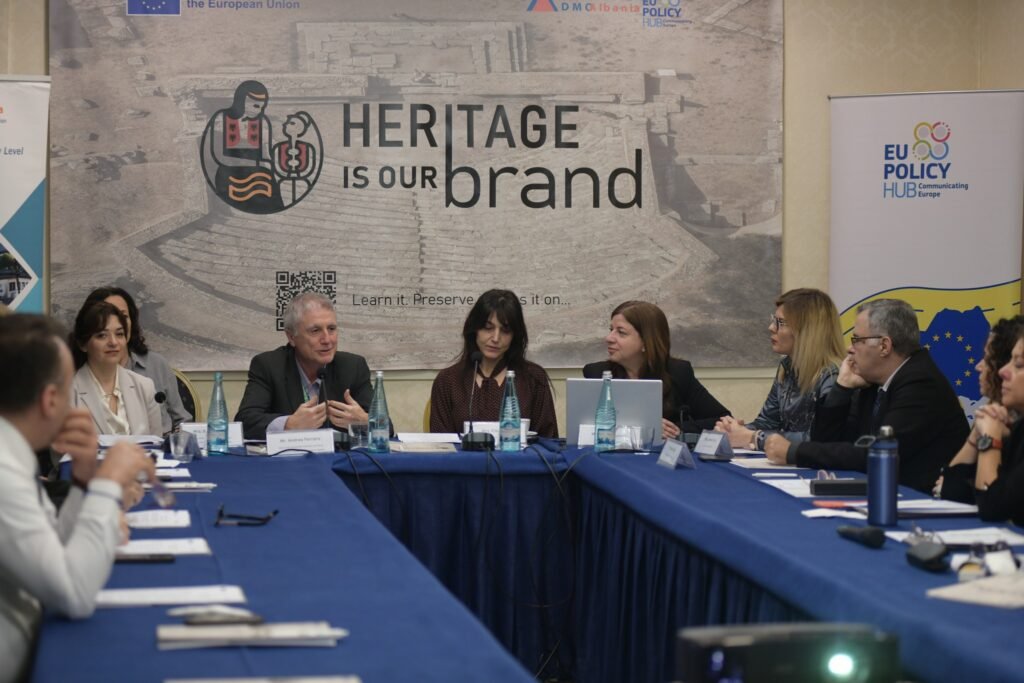
Other experts present at the roundtable shared the view that the preservation of tangible heritage, which is inevitably linked to intangible heritage, as well as the supplementation of school textbooks, are the cornerstone for transmitting our spiritual wealth across generations.
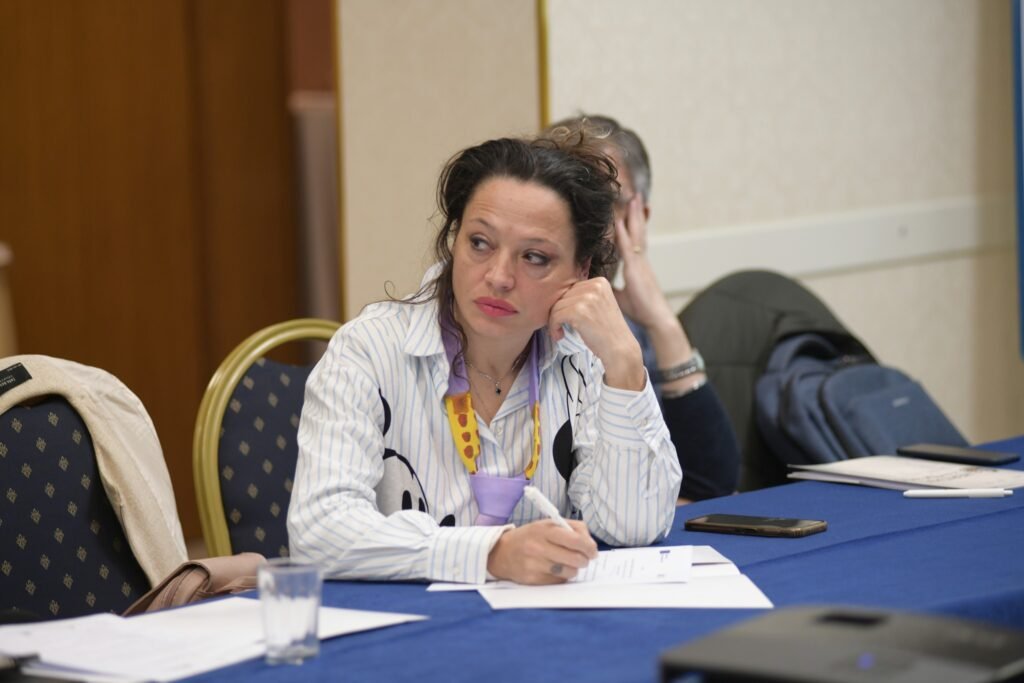
The Director of DMO Albania, Eva Kushova, explained the steps that will be followed for the implementation of the project until its completion. According to her, work on the “Heritage is our Brand” project will begin with a survey of young people to understand their current knowledge of intangible heritage.
“Furthermore, an in-depth study will be conducted, in collaboration with the Academy of Sciences, to identify 20–30 stories of our spiritual heritage, which will then, through a call for grants for Albanian artists, be transformed into various artistic products, documentaries, animations, installations, visual exhibitions, etc.” explained Kushova.
All the stories, artistic products, audio and video materials, brochures, and project studies will be included on the online platform Albania-Heritage.com, which will serve as educational and informational material for all age groups, for artists, and for tourists.
The second year of the project focuses on educating young people. There will be a forum with History and Literature teachers from across Albania to present these products and stories to them, so they can incorporate them into the teaching process. Afterwards, there will be a competition for students to showcase their creations based on these stories and products from this project.