Event
Near Apollonia there once flourished a sacred grove where the earth exhaled gases and fire sprang forth from its depths. There stood the Nymphaeum of Apollonia. The eternal flames emerging from underground springs cast an enchanting golden glow that never faded — half light, half dream. It was the place where the water nymphs danced, draped in veils of white and in rays of light.
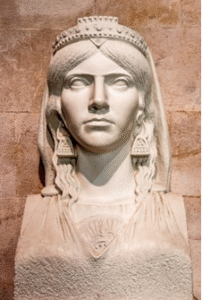
Batea, a young priestess, had just been appointed guardian of the harmony of this place and servant of Apollo, god of light and music. The elders whispered that Batea had been born on a moonless night, when the flames of the Nymphaeum had risen so high they seemed to touch the sky. They said it was a sign — that Batea had been blessed by the nymphs themselves.
Each year, on the threshold of spring, Apollonia came alive with a sacred festival — the Nymphaia. Young men competed in contests honoring the deities of the forest and the waters, while maidens and women, their hair adorned with gold and flowers of spring, circling around the flames in the dance of the nymphs. A chorus of marriageable girls bewitched the crowd with hymns of the nymphs. In the depths of the forest, hidden among the tall trees and amidst the voices of animals, resounded the gentle breath of Pan’s flute. Half-man half-goat, the divine musician emerged from the shadows only during the festival, playing melodies that reached the city’s very heart.
At the height of the celebrations, musical contests echoed through the grove: instrumentalists and singers competing for the glory of Apollo.
Batea, though gifted with a rare voice, never took part in these competitions. When the flames began to rise, she sang the secret hymn known only to her — a song that made the earth tremble. She guarded it in her heart, as her mother, also a priestess, had entrusted it to her before disappearing into the endless night. It was the song of nature itself, the one that kept the flames alive and preserved the balance between the world of the living and the realm of the divine.
For years, travelers came from distant lands seeking to uncover the source of the eternal fire. Among them, one stranger arrived — a man who carried along a cold silence, a void that shook Batea to her core. He seemed unmoved by festivities, untouched by beauty and the harmony of body and spirit. He did not feel the music as others did. He did not hear Pan’s song. He was not enchanted by the nymphs. Wherever he walked, he left a dark trace. Everything he touched withered.
As he approached the sacred place, nature began to change. The flames weakened. Darkness overtook the light. The voice of Pan was no longer heard. On the darkest night of her life, Batea understood that the sanctity of that place had to be protected. She led the stranger into the heart of the forest, to the spot where the ancient flame burned without end. There she removed her white veil, laid it upon the ground, and began to sing — for the last time — the ancient hymn.
An unseen wave of celestial breath rekindled the fire and awakened the gods. Her voice rose above the flames, piercing the darkness with power. From the shadows emerged the white maidens — the nymphs — joining Batea in a circle, dancing around the fire that reached the sky.
At dawn, the people of Apollonia found the stranger alone, kneeling by the flames, his eyes filled with a light of yonder. He did not speak. He only gazed, entranced, at the eternal fire. Batea was gone. Upon the sacred waters floated a single white flower — a sign that she had become one with the nymphs, with the flame, with the eternal song of the land. From that day, the hearth burned anew, and from the eternal flames rose the hymn of life.
Batea, a young priestess, had just been appointed guardian of the harmony of this place and servant of Apollo, god of light and music. The elders whispered that Batea had been born on a moonless night, when the flames of the Nymphaeum had risen so high they seemed to touch the sky. They said it was a sign — that Batea had been blessed by the nymphs themselves.
Each year, on the threshold of spring, Apollonia came alive with a sacred festival — the Nymphaia. Young men competed in contests honoring the deities of the forest and the waters, while maidens and women, their hair adorned with gold and flowers of spring, circling around the flames in the dance of the nymphs. A chorus of marriageable girls bewitched the crowd with hymns of the nymphs. In the depths of the forest, hidden among the tall trees and amidst the voices of animals, resounded the gentle breath of Pan’s flute. Half-man half-goat, the divine musician emerged from the shadows only during the festival, playing melodies that reached the city’s very heart.
At the height of the celebrations, musical contests echoed through the grove: instrumentalists and singers competing for the glory of Apollo.
Batea, though gifted with a rare voice, never took part in these competitions. When the flames began to rise, she sang the secret hymn known only to her — a song that made the earth tremble. She guarded it in her heart, as her mother, also a priestess, had entrusted it to her before disappearing into the endless night. It was the song of nature itself, the one that kept the flames alive and preserved the balance between the world of the living and the realm of the divine.
For years, travelers came from distant lands seeking to uncover the source of the eternal fire. Among them, one stranger arrived — a man who carried along a cold silence, a void that shook Batea to her core. He seemed unmoved by festivities, untouched by beauty and the harmony of body and spirit. He did not feel the music as others did. He did not hear Pan’s song. He was not enchanted by the nymphs. Wherever he walked, he left a dark trace. Everything he touched withered.
As he approached the sacred place, nature began to change. The flames weakened. Darkness overtook the light. The voice of Pan was no longer heard. On the darkest night of her life, Batea understood that the sanctity of that place had to be protected. She led the stranger into the heart of the forest, to the spot where the ancient flame burned without end. There she removed her white veil, laid it upon the ground, and began to sing — for the last time — the ancient hymn.
An unseen wave of celestial breath rekindled the fire and awakened the gods. Her voice rose above the flames, piercing the darkness with power. From the shadows emerged the white maidens — the nymphs — joining Batea in a circle, dancing around the fire that reached the sky.
At dawn, the people of Apollonia found the stranger alone, kneeling by the flames, his eyes filled with a light of yonder. He did not speak. He only gazed, entranced, at the eternal fire. Batea was gone. Upon the sacred waters floated a single white flower — a sign that she had become one with the nymphs, with the flame, with the eternal song of the land. From that day, the hearth burned anew, and from the eternal flames rose the hymn of life.
There is no audio content available. Add an audio URL in the admin panel.
There is no video content available. Add a video URL in the admin panel.
Historical period:
From the 7th century BCE
Historical overview of the period
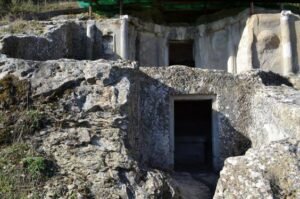
In the ancient city of Apollonia, founded by Corinthian and Corcyraean colonists in the 7th century BCE on the Adriatic coast (near modern Fier), there existed a Nymphaeum — a sacred place dedicated to the water nymphs believed to inhabit holy springs, protect life, fertility and natural harmony. This Nymphaeum was situated in an area where natural gas emissions created a continuously burning flame. These fires never went out, giving the site a mystical aura; it thus became a place of worship for the nymphs and for Apollo, god of light and music.
Conditions that gave rise to the event
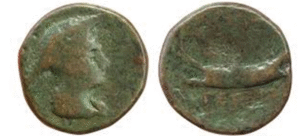
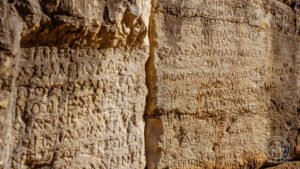
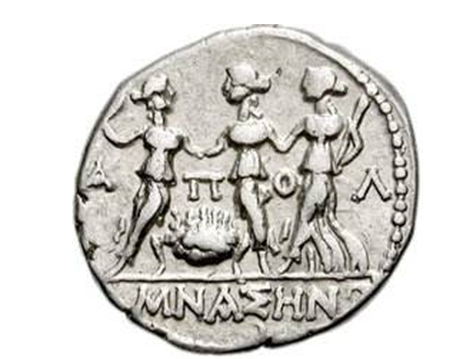
The Nymphaeum was associated with a unique oracle mentioned in ancient texts, though its precise location remains unknown. Three nymphs, often depicted in sculptural art from Apollonia, are believed to have embodied this oracular power. In their honor — and as part of the cult of nature and water deities — the Nymphaia festivals were held, including gymnastic contests recorded as early as the 2nd century BCE. Their dedication to nature deities, often represented through choral performance and the presence of Pan, god of music and the wild, whose melodies were said to echo through the city, likely attest to the organization of a musical competition. Reliefs, coins and figurines discovered in Apollonia depict nymphs dancing in graceful circles, holding musical instruments or raising their hands around a symbol of light — often accompanied by Apollo himself.
In Apollonia, nymphs were not mere decorative mythological figures but beings revered and worshipped by the inhabitants. Their dance around the flames expressed the cycle of life, the renewal of spring, spiritual purification and the coexistence of humans and the divine — a ritual embodying the harmony between nature and humankind.
Note: The name of the main character, Batea, is inspired by the Illyrian name Bato.
Message
The story of Batea is not simply a legend about a sacred place or a forgotten song. It is a powerful reminder that nature has a soul, though lacking a voice… It speaks through the flame, through water, through silence… And waits for someone to listen… Batea becomes a symbol of the human being who chooses not to dominate nature but to feel and defend it, even at the highest cost of self-sacrifice. In a world increasingly deaf to the harmony of living things, this story reminds us that it is an inner song, a deep love and true sacrifice those that preserve the light that sustains life. The eternal flame is not fire —it is our care.
Meaning in Today’s Context
This legend combines Greek mythology with local cults, bringing back to our memory an ancient archetype: dancing around the flame as a symbol of life revolving around light, the sacred fire, and the divine energy of nature. It represents the figure of the goddess of nature, who never disappeared from human consciousness. Essentially, the narrative raises a clear call for sensitivity and ecological awareness, reminding us that ancient landscapes—the clean air, green forests, and crystal-clear waters—are not merely physical resources, but part of a spiritual heritage entrusted to us from generation to generation. Batea’s sacrifice is more than a mythical act: it is a metaphor for the responsibility we have today to preserve harmony between humans and nature. It is a gift for the future.
Bibliography
- CIGME I.1: Cabanes, Pierre; Ceka, Neritan, Corpus des inscriptions grecques d’Illyrie méridionale et d’Épire. I. Inscriptions d’Épidamne–Dyrrachium et d’Apollonia. 1. Inscriptions d’Apollonia, Coll. Études épigraphiques 2, Paris, 1995.
- Korkuti, Muzafer, Kulti i ujit dhe zjarrit në Iliri [The cult of water and fire in Illyria], Tiranë: Studime Ilire, 1987.
- Quantin, François, De l’invention d’un lieu sacré à la naissance d’un sanctuaire. L’exemple du Nymphaion d’Apollonia d’Illyrie, in Lafond, Yves & Michel, Vincent (eds.), Espaces sacrés dans la Méditerranée antique, Presses Universitaires de Rennes, 2016. https://doi.org/10.4000/books.pur.45730
- Elsie, Robert, Albanian Folktales and Legends (London: I.B. Tauris, 2001).